HomeBlog › Ingredient Science

Ingredient Science

Spirulina: Nutrient Density and Why Sourcing Matters

Spirulina is a genuine nutrient-dense food and a marginal supplement ingredient at typical doses. Sourcing is the part that matters most.

Written by the Horsewood Editorial Desk Checked against the current bottle label Updated 6 August 2026 Cited: NIH ODS, NCCIH, FDA, FTC

On this page

  1. What it is
  2. The protein claim, in perspective
  3. The sourcing issue
  4. Who should avoid it
  5. The reasonable position

What it is

Spirulina is a blue-green algae cultivated commercially as a food. It supplies protein, B vitamins, iron and pigments including phycocyanin, which has antioxidant properties.

The protein claim, in perspective

Spirulina is roughly 60% protein by dry weight, which sounds impressive and is frequently quoted. At the doses used in a multi-ingredient supplement — typically a few hundred milligrams — the protein contribution is negligible.

As a food eaten in gram quantities it is nutritionally meaningful. As one of thirteen ingredients in a capsule it is not, and honest content should say so.

The sourcing issue

This is the genuinely important part. Spirulina harvested from uncontrolled water sources can accumulate heavy metals and microcystin toxins produced by other cyanobacteria.

Commercially cultivated spirulina from controlled facilities is a different proposition from wild-harvested product. Third-party testing for microcystins is the relevant assurance, and it is rarely specified on multi-ingredient labels.

Who should avoid it

  • Anyone with phenylketonuria, due to phenylalanine content
  • Anyone with an autoimmune condition, without specialist advice
  • Anyone on immunosuppressant medication

The reasonable position

A nutritional inclusion rather than a mechanistic one. Its presence in a formula is benign; its prominence in marketing is usually disproportionate to what a few hundred milligrams contributes.

Horsewood — official website pricing

Men's vitality capsules with zinc, magnesium, ashwagandha and bacopa. The Horsewood discount runs from $49 per bottle with a 60-day money-back guarantee.

See the Horsewood discount
Disclaimer: this article is general information, not medical advice. Horsewood is a dietary supplement and is not intended to diagnose, treat, cure or prevent any disease. Individual results vary. For adults aged 18 and over. Talk to your doctor before starting any supplement, particularly if you take prescription medication.

Horsewood Editorial Desk

We write from the product label outward, tag each ingredient by evidence strength, and publish the unflattering parts too. See our editorial standards.

Keep reading

Answers

Frequently asked questions

As a food eaten in gram quantities, yes. At supplement doses in a multi-ingredient capsule, the protein contribution is negligible.

Commercially cultivated spirulina from controlled facilities is generally safe. Wild-harvested product can carry heavy metals and microcystin toxins.

This website may earn a commission on purchases made through links to the official Horsewood store, at no additional cost to you. Our editorial standards and affiliate disclosure are published in full on this site.

No. Horsewood is a dietary supplement and is not intended to diagnose, treat, cure or prevent any disease, including erectile dysfunction or low testosterone.
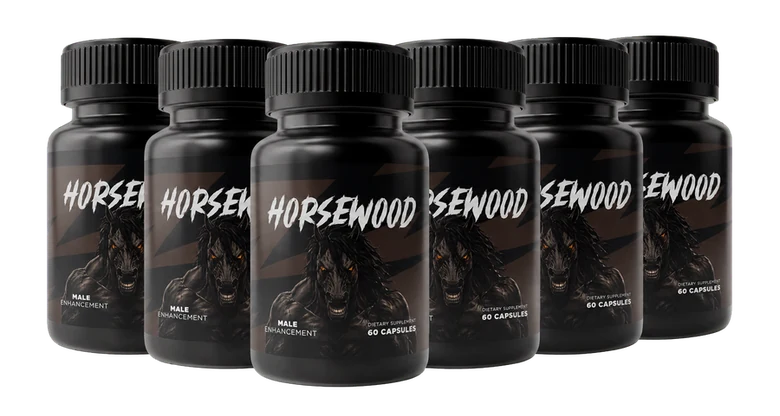
Horsewood six-bottle package at the official website sale price
Regular price: $99 per bottle
Today from $49 per bottle
Claim the Horsewood discount

Backed by the 60-day money-back guarantee. Secure checkout on the Horsewood official website.

Get the Horsewood Discount — From $49 60-day money-back guarantee • Official website only