HomeBlog › Ingredient Science

Ingredient Science

Elderberry and Echinacea: The Immune Claims Examined

Two traditional immune botanicals with very different research records. Here is the honest split.

Written by the Horsewood Editorial Desk Checked against the current bottle label Updated 6 August 2026 Cited: NIH ODS, NCCIH, FDA, FTC

On this page

  1. Elderberry
  2. Echinacea
  3. Why immune claims are hard to make honestly
  4. How to read a formula containing them
  5. The reasonable position

Elderberry

Sambucus nigra is an anthocyanin-rich dark berry with a long folk-medicine record. Modern research is small but not absent — several trials have examined upper-respiratory symptom duration with generally favourable but modest findings.

It is worth noting that raw elderberry is not safe to consume; commercial preparations are processed, which is why supplement form matters here more than for most botanicals.

Echinacea

One of the best-known traditional immune botanicals and one of the most inconsistent in trials. Results across the literature range from modest benefit to none, and large well-conducted trials have frequently found nothing.

Part of the inconsistency is botanical: different Echinacea species and different plant parts are used across products and studies, which makes cross-comparison difficult.

Why immune claims are hard to make honestly

“Supports immune function” is a permitted structure/function claim. “Prevents colds” is a disease claim and is not permitted.

Zinc is the ingredient in most formulas with an authorised immune claim behind it, which is worth remembering when the botanicals get the marketing attention.

How to read a formula containing them

  1. Check whether zinc is present — it carries the authorised claim.
  2. Check which Echinacea species and plant part, if stated.
  3. Treat elderberry as promising and echinacea as unresolved.
  4. Discount any “prevents illness” framing entirely.

The reasonable position

Both are traditional inclusions rather than evidence-led ones. Their presence in a formula is not a problem; their prominence in the marketing usually is.

Horsewood — official website pricing

Men's vitality capsules with zinc, magnesium, ashwagandha and bacopa. The Horsewood discount runs from $49 per bottle with a 60-day money-back guarantee.

See the Horsewood discount
Disclaimer: this article is general information, not medical advice. Horsewood is a dietary supplement and is not intended to diagnose, treat, cure or prevent any disease. Individual results vary. For adults aged 18 and over. Talk to your doctor before starting any supplement, particularly if you take prescription medication.

Horsewood Editorial Desk

We write from the product label outward, tag each ingredient by evidence strength, and publish the unflattering parts too. See our editorial standards.

Keep reading

Answers

Frequently asked questions

Trial results are inconsistent, and several large well-conducted studies found no benefit. No supplement may claim to prevent illness.

There is a small modern literature around upper-respiratory symptom duration with modest findings. It is promising rather than settled.

This website may earn a commission on purchases made through links to the official Horsewood store, at no additional cost to you. Our editorial standards and affiliate disclosure are published in full on this site.

No. Horsewood is a dietary supplement and is not intended to diagnose, treat, cure or prevent any disease, including erectile dysfunction or low testosterone.
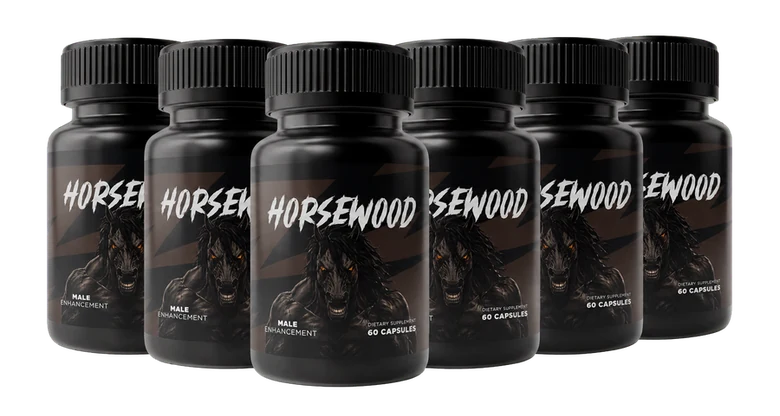
Horsewood six-bottle package at the official website sale price
Regular price: $99 per bottle
Today from $49 per bottle
Claim the Horsewood discount

Backed by the 60-day money-back guarantee. Secure checkout on the Horsewood official website.

Get the Horsewood Discount — From $49 60-day money-back guarantee • Official website only