HomeBlog › Ingredient Science

Ingredient Science

Deficiency vs Optimisation: Where Supplements Actually Work

The single most useful concept in supplements: repletion and optimisation are different things with very different evidence.

Written by the Horsewood Editorial Desk Checked against the current bottle label Updated 6 August 2026 Cited: NIH ODS, NCCIH, FDA, FTC

On this page

  1. Repletion
  2. Optimisation
  3. How to find out which applies to you
  4. Where shortfalls are genuinely common
  5. The practical rule

Repletion

If a nutrient is genuinely short, restoring it produces real, sometimes dramatic change. Correcting iron deficiency transforms fatigue. Correcting vitamin D deficiency changes measurable outcomes. Correcting zinc deficiency restores testosterone toward normal.

This is the best-evidenced mechanism in the entire supplement field, and it applies only to people who were deficient.

Optimisation

The claim that more of a nutrient, above adequate status, produces further benefit. Evidence here is far weaker and frequently absent.

Most marketing blurs the two deliberately, quoting deficiency research to sell to people who are not deficient.

How to find out which applies to you

A basic blood panel. Full blood count, ferritin, vitamin D, B12 and thyroid function between them catch most of the common causes of persistent fatigue.

It costs less than a bulk supplement order and produces an actual answer rather than a guess.

Where shortfalls are genuinely common

  • Vitamin D — especially at northern latitudes in winter
  • Magnesium — a substantial share of adults below reference intakes
  • Iron — less common in men, but not rare and worth testing
  • Omega-3 — in diets low in oily fish

The practical rule

Test where you can, supplement where a shortfall exists, and treat everything above adequate status as a marginal bet rather than a certainty.

See also our health checks by decade.

Horsewood — official website pricing

Men's vitality capsules with zinc, magnesium, ashwagandha and bacopa. The Horsewood discount runs from $49 per bottle with a 60-day money-back guarantee.

See the Horsewood discount
Disclaimer: this article is general information, not medical advice. Horsewood is a dietary supplement and is not intended to diagnose, treat, cure or prevent any disease. Individual results vary. For adults aged 18 and over. Talk to your doctor before starting any supplement, particularly if you take prescription medication.

Horsewood Editorial Desk

We write from the product label outward, tag each ingredient by evidence strength, and publish the unflattering parts too. See our editorial standards.

Keep reading

Answers

Frequently asked questions

The clearest evidence is for repletion in people who were short. Above adequate status, evidence for further benefit is much weaker.

Vitamin D and magnesium are the most commonly reported shortfalls. A blood panel is the reliable way to find out.

This website may earn a commission on purchases made through links to the official Horsewood store, at no additional cost to you. Our editorial standards and affiliate disclosure are published in full on this site.

No. Horsewood is a dietary supplement and is not intended to diagnose, treat, cure or prevent any disease, including erectile dysfunction or low testosterone.
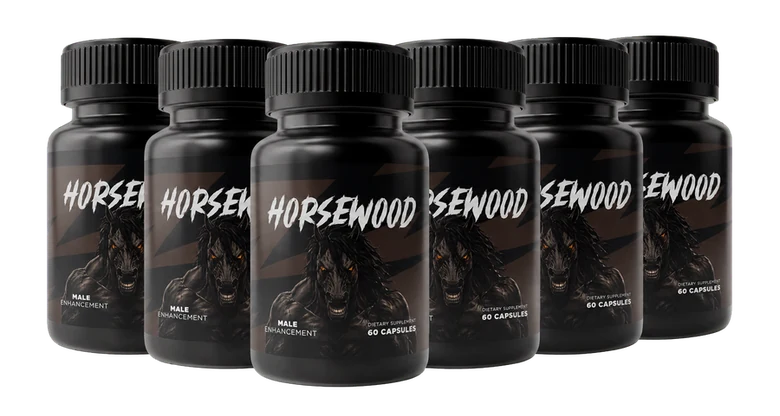
Horsewood six-bottle package at the official website sale price
Regular price: $99 per bottle
Today from $49 per bottle
Claim the Horsewood discount

Backed by the 60-day money-back guarantee. Secure checkout on the Horsewood official website.

Get the Horsewood Discount — From $49 60-day money-back guarantee • Official website only