HomeBlog › Ingredient Science

Ingredient Science

Maca Root: Traditional Use, Modern Evidence

Maca has centuries of traditional use and a modest early-stage modern literature. Both belong in the same sentence.

Written by the Horsewood Editorial Desk Checked against the current bottle label Updated 6 August 2026 Cited: NIH ODS, NCCIH, FDA, FTC

On this page

  1. What maca is
  2. What modern research covers
  3. The hormonal claim, examined
  4. Forms and why they differ
  5. The reasonable position

What maca is

Maca (Lepidium meyenii) is a cruciferous root — botanically closer to a radish than a herb — cultivated in the Peruvian Andes above 4,000 metres, where few crops survive.

It has been grown and eaten there for centuries, valued specifically for supporting energy and endurance under genuinely punishing conditions.

What modern research covers

Interest centres on its glucosinolates and macamides, compound families not widely found elsewhere. Research areas include energy and fatigue measures, endurance markers, mood and sexual function.

Studies are generally small and results are not consistent enough to call anything settled.

The hormonal claim, examined

Maca is frequently marketed as a hormone booster. The research does not support strong hormonal claims in men with normal baseline levels — several studies examining testosterone specifically found no significant change.

Some studies have found effects on self-reported sexual desire that appear independent of hormonal change, which is an interesting finding and a narrower one than the marketing suggests.

Forms and why they differ

  • Raw maca powder — the traditional food form
  • Gelatinised maca — heat-treated to improve digestibility
  • Concentrated extract — a smaller weight representing more raw root

Labels rarely specify which, which makes comparing two maca products harder than it looks.

The reasonable position

A legitimate traditional ingredient with a plausible, incompletely-proven modern case. Sensible as a stamina-side formula component; overreaching as a headline hormonal claim.

Horsewood — official website pricing

Men's vitality capsules with zinc, magnesium, ashwagandha and bacopa. The Horsewood discount runs from $49 per bottle with a 60-day money-back guarantee.

See the Horsewood discount
Disclaimer: this article is general information, not medical advice. Horsewood is a dietary supplement and is not intended to diagnose, treat, cure or prevent any disease. Individual results vary. For adults aged 18 and over. Talk to your doctor before starting any supplement, particularly if you take prescription medication.

Horsewood Editorial Desk

We write from the product label outward, tag each ingredient by evidence strength, and publish the unflattering parts too. See our editorial standards.

Keep reading

Answers

Frequently asked questions

Several studies examining testosterone specifically found no significant change in men with normal baseline levels.

No. Maca contains no caffeine. Any energy support is proposed to be nutritional rather than stimulatory.

This website may earn a commission on purchases made through links to the official Horsewood store, at no additional cost to you. Our editorial standards and affiliate disclosure are published in full on this site.

No. Horsewood is a dietary supplement and is not intended to diagnose, treat, cure or prevent any disease, including erectile dysfunction or low testosterone.
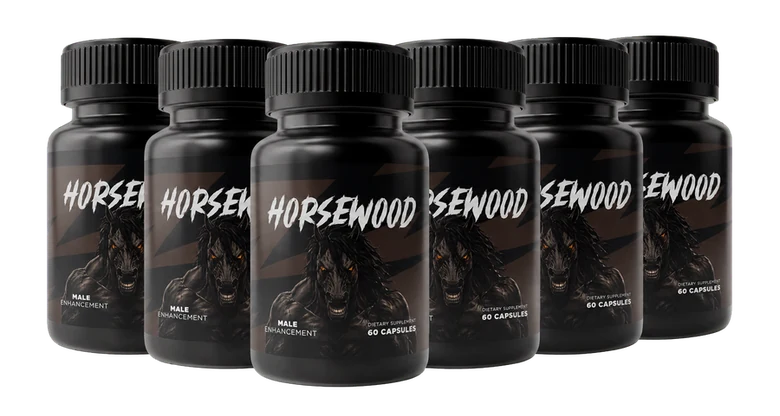
Horsewood six-bottle package at the official website sale price
Regular price: $99 per bottle
Today from $49 per bottle
Claim the Horsewood discount

Backed by the 60-day money-back guarantee. Secure checkout on the Horsewood official website.

Get the Horsewood Discount — From $49 60-day money-back guarantee • Official website only