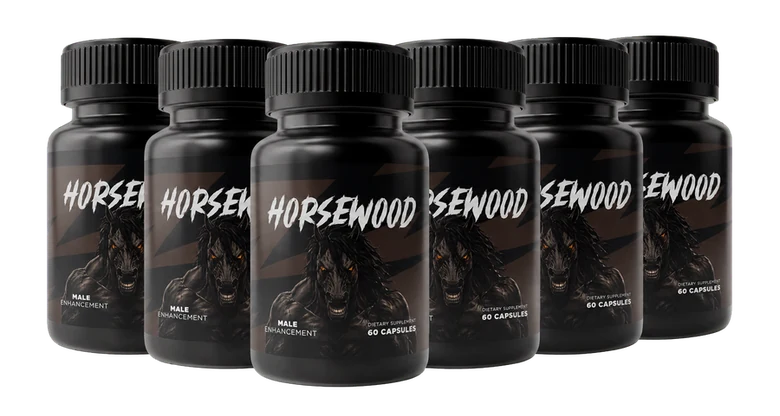
Regular price: $99 per bottle
Today from $49 per bottle
Claim the Horsewood discountBacked by the 60-day money-back guarantee. Secure checkout on the Horsewood official website.
A concentrated leaf preparation standardised for catechin content, chiefly epigallocatechin gallate (EGCG). It is not the same thing as drinking green tea — concentration changes both the effect and the risk profile.
EGCG is among the better-characterised dietary antioxidants, studied for oxidative stress markers, metabolic measures and cardiovascular endpoints. The natural L-theanine content of tea is separately studied for calm attention.
Effects are generally modest and the literature is large rather than conclusive.
Green tea extract carries naturally occurring caffeine. The amount in a supplement serving is small — well below a cup of coffee — but it is not zero.
This is why describing a green-tea-containing formula as “stimulant free” is imprecise, and why it is a useful test of how carefully a given product page was written.
Concentrated green tea extract has been associated with rare cases of liver injury, generally at high doses and often in multi-product stacks rather than from drinking tea.
The practical implications are simple: stay at label servings, do not stack multiple green-tea-containing products, and avoid it entirely if you have existing liver disease. Anyone developing yellowing of the skin or eyes, or dark urine, should stop and seek medical advice.
A legitimate, well-studied antioxidant ingredient that belongs in a formula at sensible doses, with one genuine safety caveat that most marketing omits.
Men's vitality capsules with zinc, magnesium, ashwagandha and bacopa. The Horsewood discount runs from $49 per bottle with a 60-day money-back guarantee.
See the Horsewood discountBacked by the 60-day money-back guarantee. Secure checkout on the Horsewood official website.