HomeBlog › Ingredient Science

Ingredient Science

Seven Supplement Myths Men Still Believe

Seven beliefs that survive because they sound reasonable and are not.

Written by the Horsewood Editorial Desk Checked against the current bottle label Updated 6 August 2026 Cited: NIH ODS, NCCIH, FDA, FTC

On this page

  1. Myth 1: more is better
  2. Myth 2: natural means safe
  3. Myth 3: supplements are FDA approved
  4. Myth 4: if it were useless it would be banned
  5. Myth 5: you need a loading dose
  6. Myth 6: expensive means better
  7. Myth 7: you can feel it working

Myth 1: more is better

Dose-response curves flatten and often reverse. Fat-soluble vitamins accumulate; excess zinc interferes with copper absorption; high-dose concentrated green tea extract carries rare liver-injury reports.

The label serving is not a suggestion to beat.

Myth 2: natural means safe

Nicotine, digoxin and ricin are all natural. Origin says nothing about safety profile. The relevant questions are dose, interaction and individual susceptibility.

Myth 3: supplements are FDA approved

They are not. The FDA does not approve dietary supplements before sale — a point stated plainly in its own guidance. Facility registration is a legal requirement, not an endorsement.

Myth 4: if it were useless it would be banned

The regulatory framework places the burden on authorities to demonstrate harm, not on manufacturers to demonstrate benefit before sale. Presence on a shelf is not evidence of efficacy.

Myth 5: you need a loading dose

True for creatine, where it shortens time to saturation, and largely irrelevant for botanicals, where the concept has been borrowed without justification.

Myth 6: expensive means better

Price reflects marketing spend, packaging and margin at least as much as formulation. Cost per day against published dosages is the meaningful comparison.

Myth 7: you can feel it working

You can feel stimulants. You cannot feel nutrient repletion, and you generally cannot feel adaptogenic support in real time. Judging by sensation systematically favours the products doing the least.

Horsewood — official website pricing

Men's vitality capsules with zinc, magnesium, ashwagandha and bacopa. The Horsewood discount runs from $49 per bottle with a 60-day money-back guarantee.

See the Horsewood discount
Disclaimer: this article is general information, not medical advice. Horsewood is a dietary supplement and is not intended to diagnose, treat, cure or prevent any disease. Individual results vary. For adults aged 18 and over. Talk to your doctor before starting any supplement, particularly if you take prescription medication.

Horsewood Editorial Desk

We write from the product label outward, tag each ingredient by evidence strength, and publish the unflattering parts too. See our editorial standards.

Keep reading

Answers

Frequently asked questions

Not inherently. Origin says nothing about dose, interaction risk or individual susceptibility.

No. The FDA does not approve dietary supplements before they go on sale.

This website may earn a commission on purchases made through links to the official Horsewood store, at no additional cost to you. Our editorial standards and affiliate disclosure are published in full on this site.

No. Horsewood is a dietary supplement and is not intended to diagnose, treat, cure or prevent any disease, including erectile dysfunction or low testosterone.
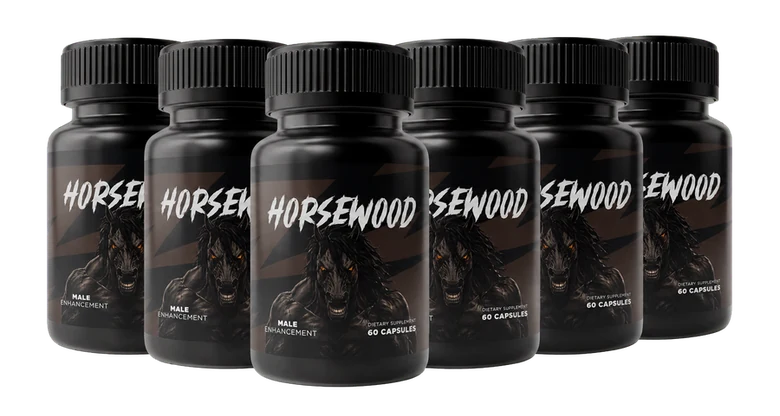
Horsewood six-bottle package at the official website sale price
Regular price: $99 per bottle
Today from $49 per bottle
Claim the Horsewood discount

Backed by the 60-day money-back guarantee. Secure checkout on the Horsewood official website.

Get the Horsewood Discount — From $49 60-day money-back guarantee • Official website only